
Trading Psychology: Your Unseen Edge in 2026 Markets
Explore how mastering trading psychology can give you a critical advantage in today's dynamic crypto, forex, and stock markets. Learn to manage emotions, develop discipline, and build resilience.
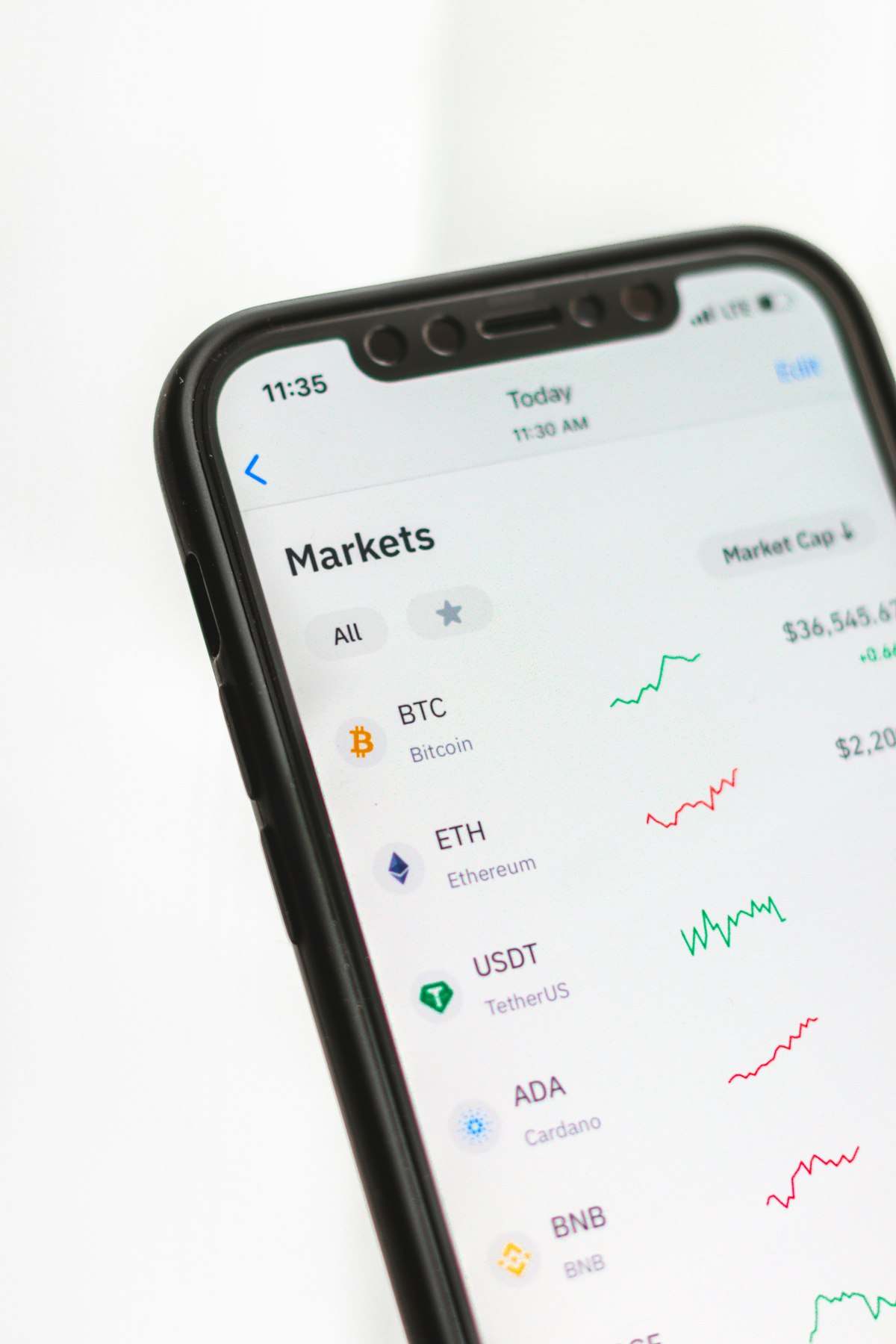
Key takeaway Trading psychology is the crucial, often overlooked, element that separates consistently profitable traders from others. In 2026's fast-paced markets, developing a disciplined mindset, managing emotions, and understanding behavioral biases are more vital than ever for effective decision-making and long-term success.
Why is Trading Psychology So Important in 2026?
The financial markets of 2026, encompassing volatile cryptocurrencies, interconnected forex pairs, and evolving stock sectors, demand more than just analytical prowess. While technical analysis and fundamental research provide the 'what' and 'why,' trading psychology dictates the 'how' – how you react to market movements, manage risk, and execute your strategy under pressure. The sheer speed of information dissemination and the proliferation of accessible trading platforms mean that emotional reactions can be amplified, leading to impulsive decisions. Without a strong psychological foundation, even the most robust trading plan can crumble in the face of fear, greed, or impatience. In an environment where algorithmic trading continues to advance, human traders' unique edge often lies in their ability to maintain composure and discipline, capitalizing on opportunities that pure logic might miss while avoiding common pitfalls driven by emotion.
What are the Core Psychological Challenges Traders Face?
Traders, regardless of experience, routinely encounter a spectrum of psychological hurdles. Fear of missing out (FOMO) can lead to chasing rapidly rising assets, often at their peak, resulting in painful losses when corrections occur. Conversely, fear of loss can cause traders to hold onto losing positions too long, hoping for a rebound that never comes, or to exit winning positions too early, preventing them from maximizing gains. Greed often manifests as over-leveraging or taking excessively large positions, driven by the desire for quick, outsized profits, which significantly increases risk. Overconfidence, particularly after a string of wins, can lead to neglecting risk management protocols and taking on undue exposure. Impatience can cause traders to deviate from their strategy, entering trades prematurely or exiting before targets are met. Recognizing these common biases is the first critical step toward mitigating their negative impact on your trading performance.
How Can Traders Develop a Disciplined Mindset?
Developing a disciplined mindset in trading is an ongoing process that requires conscious effort and consistent practice. It begins with establishing a detailed trading plan that outlines your strategy, risk parameters, entry and exit criteria, and capital allocation. The discipline comes from strictly adhering to this plan, even when emotions suggest otherwise. Traders often benefit from setting clear, realistic goals and understanding that losses are an inevitable part of trading. Rather than viewing losses as failures, a disciplined trader sees them as learning opportunities, reviewing their decisions objectively. Practicing mindfulness or meditation can help improve emotional regulation, allowing for clearer decision-making. Regularly reviewing your trading journal helps reinforce good habits and identify recurring psychological traps. Discipline isn't about eliminating emotions, but about preventing them from dictating your actions.
What Role Does Risk Management Play in Trading Psychology?
Risk management is intrinsically linked to trading psychology. A well-defined risk management strategy acts as a psychological buffer, providing a sense of control and reducing anxiety. Knowing that you have predetermined your maximum acceptable loss per trade (e.g., 1-2% of your capital) and that you will exit a trade if it hits your stop-loss level, irrespective of hope, helps to mitigate fear and prevent catastrophic losses. Conversely, a lack of clear risk parameters can amplify emotional responses, as every trade feels like an all-or-nothing gamble. Implementing proper position sizing, using stop-loss orders, and diversifying your portfolio are not just technical exercises; they are psychological tools that enable you to trade with greater confidence and less emotional burden. A robust risk management framework empowers you to stay in the market longer and recover from inevitable setbacks more effectively.
How Can You Objectively Evaluate Your Trading Performance?
Objective evaluation is paramount for psychological growth and performance improvement. This involves maintaining a comprehensive trading journal that logs every trade, including entry/exit points, rationale, market conditions, and, crucially, your emotional state before, during, and after the trade. Reviewing this journal regularly, perhaps weekly or monthly, allows you to identify patterns in your behavior and performance. Are certain emotions consistently leading to poor decisions? Are you deviating from your plan in specific market conditions? Using performance metrics beyond just profit/loss, such as win rate, average win size vs. average loss size, and maximum drawdown, provides a more holistic view. Seeking feedback from experienced mentors or a trading community, if available, can also offer valuable external perspectives. The goal is to learn from both successes and failures without personalizing them, approaching your trading as a continuous scientific experiment.
Remember, trading involves substantial risk and is not suitable for all investors. You could lose some or all of your capital.
Frequently asked questions
What is the biggest psychological trap for new traders?
For new traders, the biggest trap is often fear of missing out (FOMO) combined with impatience. This leads to impulsive trades on highly volatile assets without proper research or strategy, often resulting in buying at highs and selling at lows. Overcoming this requires strict adherence to a pre-defined trading plan and robust risk management from day one.
How does emotional control impact trade execution?
Emotional control directly impacts trade execution by ensuring adherence to a strategy. When emotions like fear or greed take over, traders might deviate from their plan – prematurely exiting winning trades, holding losing trades too long, or taking oversized positions. A calm, controlled mindset allows for precise entry and exit, honoring stop-losses and profit targets as planned.
Can meditation or mindfulness help with trading psychology?
Yes, meditation and mindfulness can be highly beneficial for trading psychology. They enhance self-awareness, allowing traders to recognize rising emotions before they dictate actions. These practices foster calm under pressure, improve focus, and develop the mental discipline needed to stick to a trading plan and objectively analyze market data, reducing impulsive decision-making.
Why is it important to accept losses in trading?
Accepting losses is crucial because they are an unavoidable part of trading. Resisting losses leads to emotional distress and poor decisions, such as 'revenge trading' or holding losing positions indefinitely, hoping for a turnaround. A psychologically resilient trader accepts small, controlled losses as the cost of doing business, learning from them without letting them derail their overall strategy or capital.
Ready to put this into practice?
Open a free Finance Tradex account and start trading with AI signals.
Get started

