Forex Trading Tips for 2026: Navigating Volatility & Opportunity
Unlock advanced forex trading strategies and essential tips for navigating the evolving 2026 market. Learn to manage risk, leverage data, and adapt to global shifts.
Key takeaway Effective forex trading in 2026 emphasizes robust risk management, continuous market analysis blending technical and fundamental approaches, and maintaining strong trading psychology. Adapting to evolving global economic narratives and technological advancements is crucial for identifying and capitalizing on new opportunities while mitigating potential pitfalls.
Why is Adaptability Key in Today's Forex Market? The foreign exchange (forex) market is a dynamic environment, constantly shaped by global economic shifts, geopolitical events, and technological advancements. As of mid-2026, we've observed continued central bank policy divergence, persistent inflation concerns in some regions, and the growing influence of AI and algorithmic trading. These factors create both significant opportunities and heightened risks. Traders who remain rigid in their approach often find themselves struggling, while those who can quickly adapt their strategies to new information and changing market structures are better positioned for success. Adaptability means not just reacting to news but anticipating potential shifts and understanding their implications for currency pairs. It also involves being open to new analytical tools and methodologies that emerge in the financial tech space.
How Can Traders Enhance Their Risk Management? Risk management is the cornerstone of sustainable forex trading, especially when navigating uncertain market conditions. One critical tip is to always define your maximum acceptable loss per trade *before* entering the market. This often involves setting a stop-loss order to automatically close a position if the price moves against you beyond a predetermined point. Historically, traders often recommend risking no more than 1-2% of your total trading capital on any single trade. This approach helps protect your capital from significant drawdowns, even if a series of trades go unfavorably.
Furthermore, understanding position sizing relative to your account equity is crucial. Don't overleverage; while leverage can amplify gains, it can equally amplify losses. Many seasoned traders use strategies like scaling in or out of positions to manage risk dynamically, adjusting their exposure as market conditions evolve. Diversifying your currency pairs, rather than concentrating all your capital on one, can also help spread risk. Regular review of your risk parameters and adjusting them based on your performance and current market volatility is a practice that can significantly contribute to long-term survival in the forex market.
What Role Does Analysis Play in Forex Decisions? Successful forex trading relies heavily on a blend of fundamental and technical analysis. Fundamental analysis involves evaluating economic data, central bank policies, geopolitical events, and news releases that can influence a currency's value. For instance, interest rate decisions, inflation reports, employment figures, and GDP growth statistics are critical indicators that can trigger significant currency movements. In 2026, understanding the nuances of how different central banks are tackling inflation and growth, potentially leading to divergent monetary policies, is particularly important.
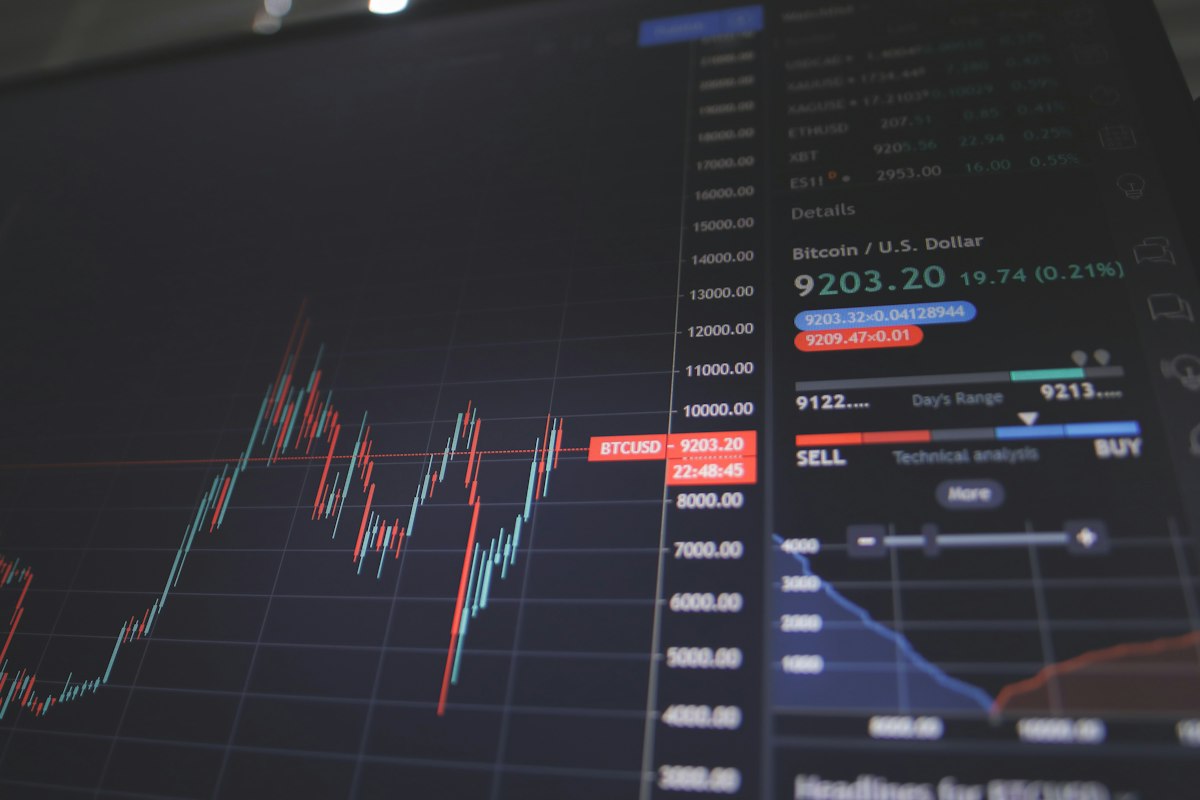
Technical analysis, on the other hand, involves studying historical price charts and patterns to forecast future price movements. This includes using indicators like moving averages, Relative Strength Index (RSI), MACD, and identifying support and resistance levels. Combining these two analytical approaches often provides a more comprehensive market perspective. For example, a strong fundamental outlook might be confirmed by bullish technical patterns, offering higher conviction for a trade. Conversely, conflicting signals might suggest caution or avoiding a trade altogether. Many professional traders integrate sentiment analysis and on-chain data (for crypto-paired forex products) into their analytical framework, adding another layer of insight.
How Important is Trading Psychology? Trading psychology is arguably as important as analysis and risk management. The emotional rollercoaster of trading – fear of missing out (FOMO), greed, impatience, and fear of loss – can lead to irrational decisions that undermine even the best strategies. Developing discipline and emotional control is a continuous process. A key tip is to stick to your trading plan rigorously. Define your entry and exit criteria, profit targets, and stop-loss levels *before* you enter a trade, and then execute without emotional interference. Avoid overtrading or revenge trading after a loss.
Maintaining a trading journal can be incredibly beneficial. Documenting your trades, including the rationale, entry/exit points, and emotional state, allows you to review your performance objectively and identify recurring psychological pitfalls. Regular breaks from the screen, especially after significant wins or losses, can also help clear your mind and prevent burnout. A calm, methodical approach, coupled with realistic expectations, empowers traders to make rational decisions even under pressure, fostering consistency over time.
How Can Traders Leverage Technology and Data? The forex market is increasingly influenced by technology and data availability. Traders can leverage advanced charting platforms, real-time news feeds, economic calendars, and algorithmic tools. Many platforms offer backtesting capabilities, allowing traders to test their strategies against historical data before deploying them live. AI and machine learning are also becoming more prevalent, offering predictive insights or even executing trades based on complex algorithms. While these tools can provide an edge, it's crucial to understand their limitations and not rely solely on automation without human oversight.
Another aspect is utilizing custom indicators and expert advisors (EAs) if you have the programming knowledge or access to reliable developers. However, always exercise due diligence when using third-party tools. Learning to interpret various data streams quickly, from central bank communications to geopolitical headlines, is a skill that technology can augment but not replace. Staying informed about the latest financial technologies can provide competitive advantages in identifying trends and executing trades efficiently.
What are Common Mistakes to Avoid? Several common pitfalls can derail a forex trader's journey. One significant mistake is overleveraging, which can lead to rapid account depletion. Another is failing to use stop-loss orders, exposing capital to unlimited risk. Chasing volatile markets without a clear strategy, known as 'gambling' rather than trading, often results in consistent losses. Neglecting continuous learning and adapting to market changes is also a common error; the forex market evolves, and strategies that worked historically may not be effective today.
Ignoring the fundamental drivers of currency pairs in favor of purely technical signals, or vice-versa, can lead to incomplete analysis. Poor record-keeping, which prevents self-assessment and learning from past mistakes, is another pitfall. Lastly, allowing emotions to dictate trading decisions, rather than a disciplined plan, frequently leads to suboptimal outcomes. Consciously working to avoid these common errors can significantly improve a trader's longevity and profitability in the forex market.
Trading forex involves significant risk and may not be suitable for all investors. Loss of capital can occur.
Ready to put this into practice?
Open a free Finance Tradex account and start trading with AI signals.
Get started