
Forex Trading: Smart Moves for Today's Volatile Markets
Navigate the dynamic forex landscape effectively with essential trading tips for risk management, strategy development, and continuous learning.
Finance Tradex Research September 3, 2026 7 min read
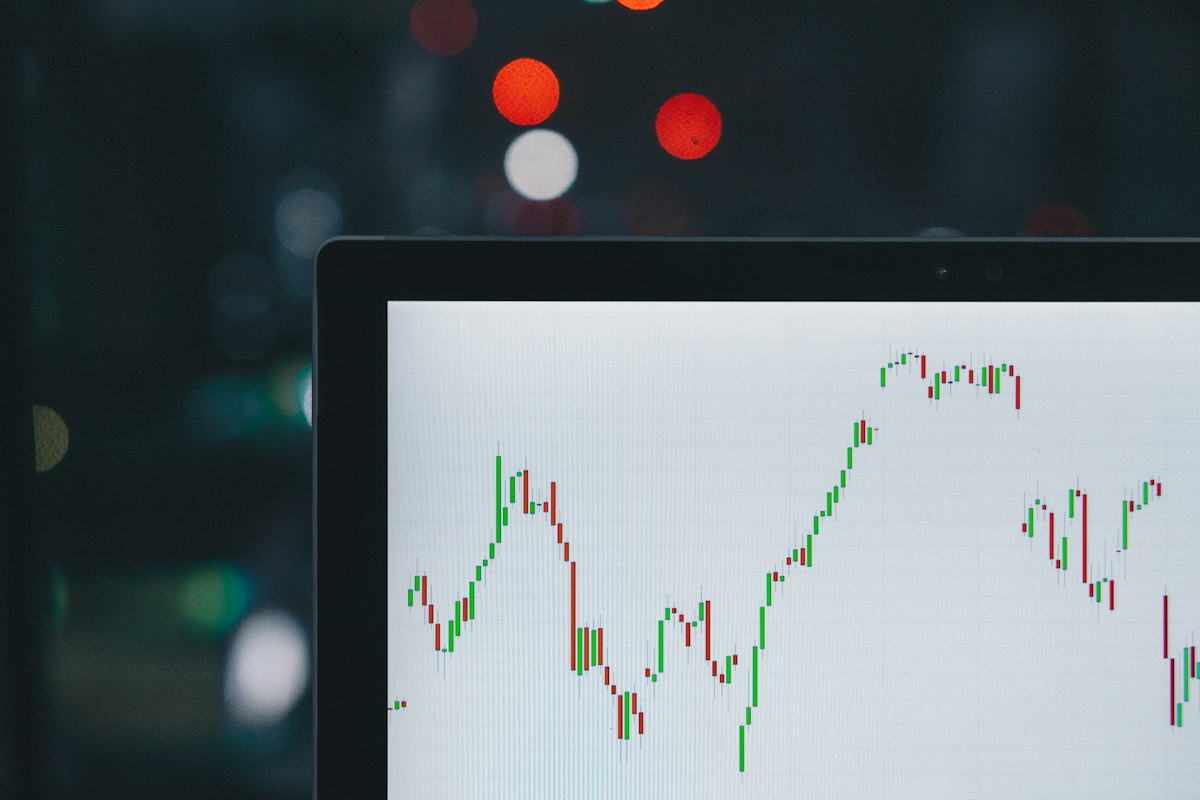
Key takeaway Effective forex trading in today's dynamic markets hinges on a disciplined approach to risk management, continuous learning, and adapting strategies to evolving economic conditions. Traders should prioritize capital preservation, conduct thorough market analysis, and maintain emotional discipline to navigate volatility successfully.
Why is a structured approach crucial in forex trading? The foreign exchange market, or forex, is the largest and most liquid financial market globally, characterized by constant price fluctuations driven by geopolitical events, economic data, and central bank policies. Without a structured approach, traders can easily succumb to impulsive decisions, leading to significant losses. A well-defined strategy acts as a roadmap, guiding entry and exit points, position sizing, and risk parameters. It helps to remove emotional bias from trading decisions, fostering consistency and discipline, which are paramount in long-term success. Furthermore, a structured approach facilitates performance review, allowing traders to identify what works and what doesn't, and to adapt their strategies accordingly.
How can new traders start safely in forex? For newcomers, starting safely involves several key steps to minimize initial risks. Firstly, extensive education is non-negotiable. Understand fundamental and technical analysis, market mechanics, and the various currency pairs. Many platforms offer educational resources, webinars, and demo accounts that simulate real trading conditions without using actual capital. A demo account is invaluable for practicing strategies, getting comfortable with the trading platform, and understanding market movements without financial risk. Secondly, begin with a small amount of capital that you can afford to lose. Over-leveraging or investing too much too soon is a common pitfall. Thirdly, focus on understanding one or two major currency pairs initially, as they often have more liquidity and tighter spreads. Finally, implement a strict risk management plan from day one, never risking more than a small percentage of your capital on any single trade.
What are essential risk management practices for forex? Effective risk management is the cornerstone of sustainable forex trading. One of the most crucial practices is to define your risk per trade, typically a small percentage of your total trading capital (e.g., 1-2%). This means you set a stop-loss order for every trade to limit potential losses. Conversely, a take-profit order helps to lock in gains. Understanding and utilizing leverage wisely is also critical. While leverage can amplify profits, it can equally amplify losses, making it a double-edged sword. Avoid over-leveraging your account. Diversification, while harder in forex than in other markets, can be achieved by not over-committing to a single currency pair or specific economic news event. Regularly review your open positions and adjust stop-loss/take-profit levels as market conditions change. Lastly, never trade with capital you cannot afford to lose, as this can lead to emotional decisions and poor judgment.
How can market analysis inform trading decisions? Market analysis provides the framework for identifying potential trading opportunities and understanding market sentiment. There are primarily two types: technical analysis and fundamental analysis. Technical analysis involves studying historical price charts and patterns to predict future price movements. Traders use various indicators like moving averages, MACD, and RSI to identify trends, support, and resistance levels. Fundamental analysis, on the other hand, focuses on economic data, geopolitical events, and central bank announcements. Interest rate decisions, inflation reports, GDP figures, and employment data can significantly impact currency valuations. A comprehensive approach often involves combining both. For instance, fundamental analysis might identify a strong long-term trend for a currency, while technical analysis helps pinpoint optimal entry and exit points within that trend. Staying informed about global economic calendars and news feeds is vital for informed decision-making.
What role does trading psychology play in success? Trading psychology is arguably as important as analysis or strategy. Emotions such as fear, greed, hope, and overconfidence can significantly impair judgment and lead to irrational trading decisions. For example, fear might cause a trader to exit a profitable trade too early, while greed might lead to holding onto a losing position for too long, hoping it will turn around. Discipline, patience, and emotional control are vital traits for successful forex traders. Developing a trading plan and strictly adhering to it helps mitigate emotional interference. Maintaining a trading journal to record decisions, reasoning, and outcomes can provide valuable insights into behavioral patterns and help identify areas for psychological improvement. Understanding that losses are an inevitable part of trading and not letting them affect future decisions is crucial for long-term resilience.
Why is continuous learning essential for forex traders? The forex market is constantly evolving, influenced by new technologies, global economic shifts, and changing regulatory landscapes. What worked yesterday might not work today. Continuous learning allows traders to adapt to these changes and refine their strategies. This includes staying updated on global economic news, understanding new financial instruments, and exploring advanced analytical techniques. Reading reputable financial publications, attending webinars, and participating in trading communities can provide fresh perspectives and insights. Reviewing past trades, both winners and losers, helps in identifying patterns, improving decision-making, and adjusting the trading plan. The goal is to consistently improve one's trading edge and remain competitive in a dynamic environment. Embracing a mindset of lifelong learning ensures traders can navigate market complexities and sustain profitability over time.
Risk disclaimer: Forex trading carries a high level of risk and may not be suitable for all investors.
Ready to put this into practice?
Open a free Finance Tradex account and start trading with AI signals.
Get started