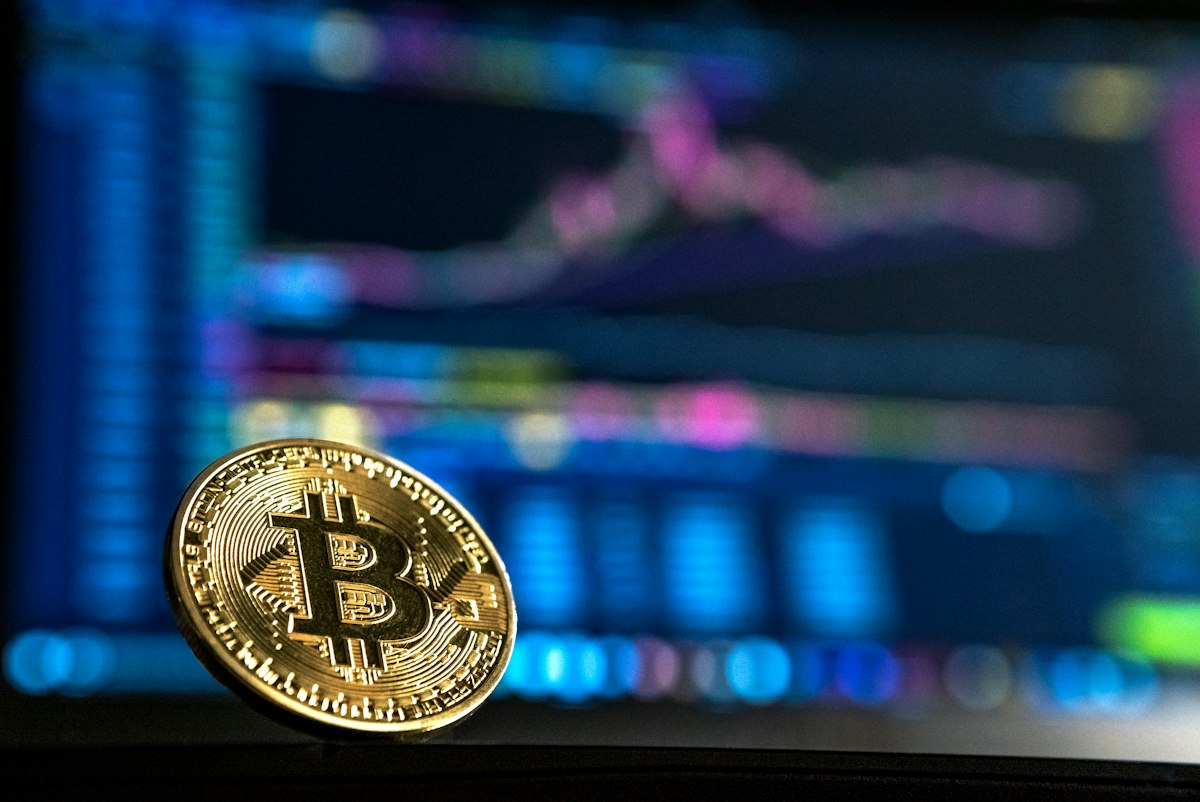
Crypto Outlook Sep 2026: Navigating Regulatory Winds & Tech Shifts
Explore the crypto market's landscape in September 2026, focusing on key drivers like evolving regulations, institutional integration, and technological advancements impacting Bitcoin, Ethereum, and DeFi.

The cryptocurrency market continues its dynamic evolution as we enter September 2026. While the volatility characteristic of this asset class remains, a more mature and complex ecosystem is clearly taking shape. This month, market participants are closely monitoring several critical factors that could dictate short-to-medium-term trends: the acceleration of regulatory frameworks, the deepening roots of institutional adoption, and the ongoing impact of technological innovation.
Global Regulatory Landscape Takes Center Stage
One of the most significant overarching themes influencing the crypto market is the rapidly developing global regulatory environment. After years of fragmented approaches, many major economies are pushing forward with comprehensive frameworks designed to provide clarity, investor protection, and systemic stability. This trend, visible across North America, Europe, and parts of Asia, has a dual effect on the market.
- Clarity for Institutions: For large institutional investors, clearer regulations often translate into reduced uncertainty and a more defined operational path. This can encourage greater participation from pension funds, asset managers, and corporate treasuries, who previously hesitated due to legal ambiguities.
- Compliance Costs & Innovation: While regulation fosters legitimacy, it can also introduce compliance costs and potential limitations on certain innovative protocols. Projects in DeFi, for instance, are increasingly adapting to new KYC/AML requirements, which, while challenging, could ultimately enhance their long-term viability by reducing illicit activity.
Historically, periods of regulatory uncertainty have often led to price stagnation or corrections. However, as frameworks mature, the market tends to price in these developments, potentially leading to more stable, albeit potentially slower, growth trajectories.
Bitcoin and Ethereum: Barometers of Market Health
Bitcoin (BTC), as the flagship cryptocurrency, continues to serve as a primary indicator of overall market sentiment and liquidity. Its price action often reflects broader macroeconomic conditions, including interest rate expectations, inflation concerns, and global geopolitical stability. As a store of value, its correlation with traditional safe-haven assets is a continuous point of observation, especially during periods of economic turbulence.
Ethereum (ETH), on the other hand, remains pivotal due to its foundational role in the decentralized application (dApp) ecosystem. The ongoing progress in its scaling solutions, particularly with enhancements to rollups and sharding advancements, is crucial. Improved network efficiency and reduced transaction costs could reignite developer activity and user adoption across DeFi, NFTs, and Web3 gaming, providing a strong tailwind for ETH's valuation. Traders often watch the ETH/BTC ratio as an indicator of the market's appetite for altcoins and risk-on sentiment.
Institutional Adoption: From Niche to Mainstream?
The integration of crypto into traditional finance (TradFi) continues to gather pace. Beyond spot ETFs for major cryptocurrencies, we're seeing increased interest in tokenized real-world assets (RWAs), blockchain-based payment rails, and venture capital flowing into blockchain infrastructure projects. Major financial institutions are not just offering crypto services; many are actively developing their own blockchain-based solutions, recognizing the technology's potential for efficiency and transparency.
- Tokenized Assets: The emergence of tokenized securities, real estate, and commodities offers new avenues for liquidity and fractional ownership, blurring the lines between traditional and digital finance. This trend is expected to grow significantly, potentially opening up trillion-dollar markets to blockchain technology.
- Corporate Treasuries: More corporations are exploring holding digital assets on their balance sheets, not just as speculative investments but as strategic reserves or for direct payment facilitation in certain international operations.
DeFi's Maturation and Risk Management
Decentralized Finance (DeFi) has undergone significant transformation since its early explosive growth. While innovation continues, there's a clear trend towards greater robustness, security audits, and more sophisticated risk management protocols within leading DeFi platforms. The lessons learned from past market dislocations and protocol exploits have driven a push for stronger fundamental architecture and better user protection.
- Real-World Impact: DeFi is increasingly looking to connect with the real economy, offering credit solutions, insurance, and yield generation opportunities that bridge the gap between digital assets and tangible value.
- Interoperability: The focus on cross-chain interoperability is critical for DeFi's continued growth, allowing seamless asset transfer and communication between different blockchain networks, thus expanding liquidity and user base.
Key Factors to Watch in the Coming Months
As we move further into Q4 2026, market participants should keep a close eye on:
- Central Bank Digital Currencies (CBDCs): Progress and announcements from major central banks regarding CBDC trials and rollouts could influence the perceived utility and regulatory status of decentralized cryptocurrencies.
- Macroeconomic Indicators: Inflation data, interest rate decisions by central banks (e.g., the Fed, ECB), and employment figures will continue to impact investor risk appetite across all asset classes, including crypto.
- Technological Breakthroughs: Any significant advancements in blockchain scalability, security, or novel application development could trigger substantial market shifts and investor interest in specific projects.
Navigating the crypto market in late 2026 requires a comprehensive understanding of these interconnected factors. While volatility remains a constant, the underlying maturation of the ecosystem, driven by regulatory clarity and institutional involvement, suggests a market striving for long-term sustainability and broader integration into the global financial landscape.
Investing in cryptocurrencies involves significant risk, including the potential loss of principal.
Ready to put this into practice?
Open a free Finance Tradex account and start trading with AI signals.
Get started