
Crypto Outlook: Navigating Market Trends in Late 2026
Explore the key factors influencing the cryptocurrency market as of late 2026, from institutional adoption and regulatory shifts to technical analysis indicators. Understand how to approach market trends.
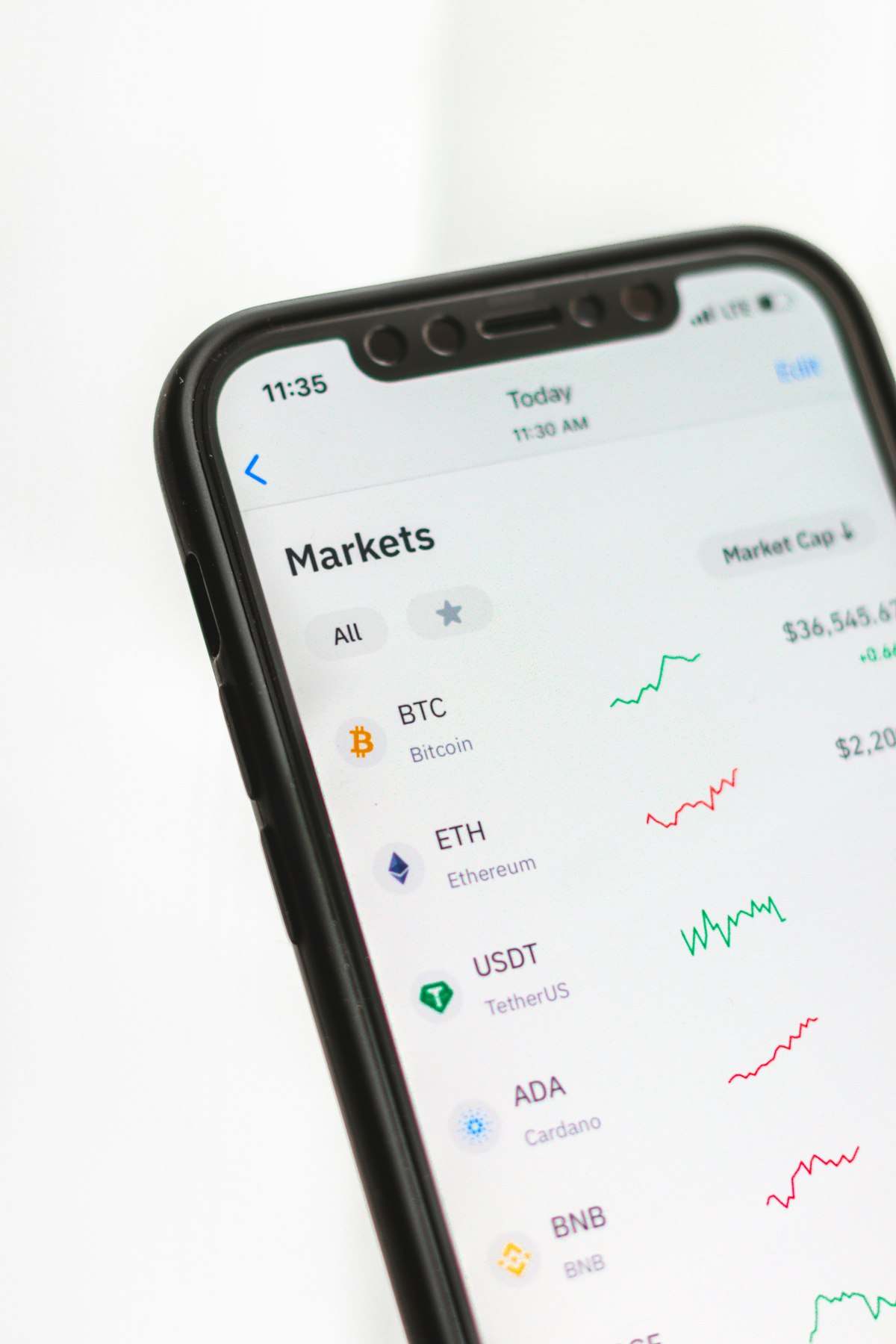
Key takeaway As of late 2026, the crypto market continues to evolve, shaped by increasing institutional engagement and ongoing regulatory developments. Traders and investors are observing key indicators like Bitcoin's dominance and evolving altcoin narratives, alongside global macroeconomic factors, to anticipate future movements.
What are the dominant themes in the crypto market as of late 2026?
As we approach the final quarter of 2026, several overarching themes continue to dictate the cryptocurrency market's direction. Perhaps most significant is the continued, albeit gradual, institutional embrace of digital assets. We've seen a consistent trend of major financial institutions exploring and integrating blockchain technology, not just for settlement but also for tokenized assets. This extends beyond Bitcoin and Ethereum to other Layer 1 and Layer 2 solutions, signalling a maturation of the ecosystem.
Regulatory clarity remains a persistent, yet slowly progressing, theme. Different jurisdictions are adopting varied approaches to digital asset classification, taxation, and consumer protection. While this patchwork can create complexities, any move towards harmonized or clearer frameworks in major economic blocs tends to instill greater confidence and attract further capital. The impact of central bank digital currencies (CBDCs) also looms, with many countries in various stages of exploration or pilot programs, which could reshape traditional financial rails and their interaction with decentralized networks.
Technological advancements are another constant driver. Scalability solutions, interoperability protocols, and enhanced security features across various blockchains are continuously being developed. These innovations not only improve user experience but also expand the potential applications of decentralized technologies, drawing in new participants and use cases.
How are Bitcoin and Ethereum performing relative to altcoins?
Bitcoin (BTC) and Ethereum (ETH) continue to serve as the bellwethers of the crypto market, often dictating the broader sentiment. Historically, Bitcoin's price movements tend to influence the entire market, especially during periods of high volatility or significant macro shifts. Its role as a store of value is consistently debated and re-evaluated, particularly in the context of global inflation and economic uncertainty. Traders often watch Bitcoin dominance – its market capitalization as a percentage of the total crypto market – as an indicator of market sentiment. A rising dominance can sometimes signal a 'flight to safety' within crypto, while a falling dominance often indicates an 'altcoin season' where capital flows into smaller cap assets.
Ethereum, with its robust smart contract platform, remains central to the decentralized finance (DeFi) and non-fungible token (NFT) ecosystems. Its ongoing upgrades and the success of its Layer 2 scaling solutions are critical for its continued growth and utility. The performance of Ethereum often correlates with the health of the broader dApp ecosystem. When Ethereum performs strongly, it can often pull a vast array of altcoins, particularly those within its ecosystem, along with it.
Altcoins, ranging from established Layer 1s to emerging niche projects, typically exhibit higher volatility. Their performance is often tied to specific narrative cycles, technological breakthroughs, partnerships, or community developments. While some altcoins have seen significant gains, others have struggled, underscoring the higher risk and reward profile associated with them.
What macroeconomic factors are influencing the crypto market?
The crypto market, despite its decentralized nature, is not isolated from global macroeconomic forces. Interest rate policies from major central banks, particularly the U.S. Federal Reserve, continue to play a significant role. Higher interest rates can make traditional safe-haven assets more attractive, potentially reducing appetite for riskier assets like cryptocurrencies. Conversely, periods of quantitative easing or lower rates have historically been associated with increased liquidity flow into crypto.
Inflationary pressures globally also influence investor behavior. Some view Bitcoin as a hedge against inflation, while others see it as a risk-on asset that suffers during economic downturns. The prevailing narrative around inflation and its impact on purchasing power can significantly sway investment decisions in digital assets.
Geopolitical stability and global economic growth forecasts also contribute to market sentiment. Increased instability or recessionary fears can lead to a general de-risking across all asset classes, including crypto. Conversely, periods of robust economic growth and investor optimism can encourage capital allocation towards higher-risk, higher-reward opportunities within the digital asset space.
How are technical analysis indicators being used in today's market?
Technical analysis (TA) remains a crucial tool for many traders to interpret market dynamics and identify potential entry and exit points. Common indicators like moving averages (e.g., 50-day and 200-day MAs) are frequently observed to gauge short-term and long-term trends. A 'golden cross' (short-term MA crossing above long-term MA) is often seen as a bullish signal, while a 'death cross' (short-term MA crossing below long-term MA) can indicate bearish momentum.
The Relative Strength Index (RSI) is widely used to identify overbought or oversold conditions, helping traders anticipate potential reversals. Volume analysis is also critical, as higher trading volumes often confirm the strength of a price movement, while low volume moves can be less reliable. Support and resistance levels, derived from historical price action, are fundamental for understanding price boundaries and potential turning points.
Fibonacci retracement levels are commonly applied to identify potential areas where a price correction might end before resuming its original trend. Chart patterns, such as head and shoulders, double tops/bottoms, and triangles, are also closely watched for predictive value. While TA provides valuable insights, traders typically combine it with fundamental analysis and a keen awareness of market narratives to form a comprehensive trading strategy. No single indicator guarantees future performance.
Investing in cryptocurrencies involves substantial risk and is not suitable for all investors. Value can fluctuate significantly.
Frequently asked questions
What is Bitcoin dominance and why is it important?
Bitcoin dominance measures Bitcoin's market capitalization as a percentage of the total cryptocurrency market. It's important because it often signals market sentiment. A rising dominance can suggest investors are moving to Bitcoin as a 'safe haven' within crypto, while a falling dominance might indicate increased investor interest and capital flow into altcoins, often referred to as an 'altcoin season'.
How do interest rates affect the crypto market?
Interest rates significantly impact the crypto market. Higher interest rates, typically set by central banks, can make traditional investments like bonds more attractive, potentially reducing appetite for riskier assets such as cryptocurrencies. Conversely, lower interest rates or 'easy money' policies can encourage more speculative investment, historically leading to increased capital inflow into the crypto space.
What role do Layer 2 solutions play in the crypto market?
Layer 2 solutions are crucial for enhancing the scalability and efficiency of main blockchains, especially Ethereum. They process transactions off the main chain, then settle them back, significantly reducing fees and increasing transaction speed. This technological advancement improves user experience for decentralized applications (dApps), expands the network's capacity, and supports broader adoption of blockchain technology for various use cases.
What is the Relative Strength Index (RSI) in crypto trading?
The Relative Strength Index (RSI) is a momentum oscillator used in technical analysis to measure the speed and change of price movements. It ranges from 0 to 100. Traders typically use RSI to identify overbought conditions (usually above 70), suggesting a potential price reversal downwards, or oversold conditions (usually below 30), indicating a possible price bounce. It's a popular tool for gauging market sentiment.
Why is regulatory clarity important for cryptocurrency adoption?
Regulatory clarity is vital for mainstream cryptocurrency adoption because it provides a stable and predictable environment for businesses and investors. Clear rules on taxation, asset classification, and consumer protection reduce uncertainty and risk, encouraging institutional participation and innovation. This framework helps legitimize the industry, fostering trust and enabling better integration with traditional financial systems on a global scale.
Ready to put this into practice?
Open a free Finance Tradex account and start trading with AI signals.
Get started

