
Crypto Market Analysis: Beyond the Headlines (Sep 2026)
Navigate the dynamic crypto landscape with advanced analytical approaches. This guide for September 2026 explores on-chain metrics, macro influences, and sentiment analysis to inform your trading strategy.
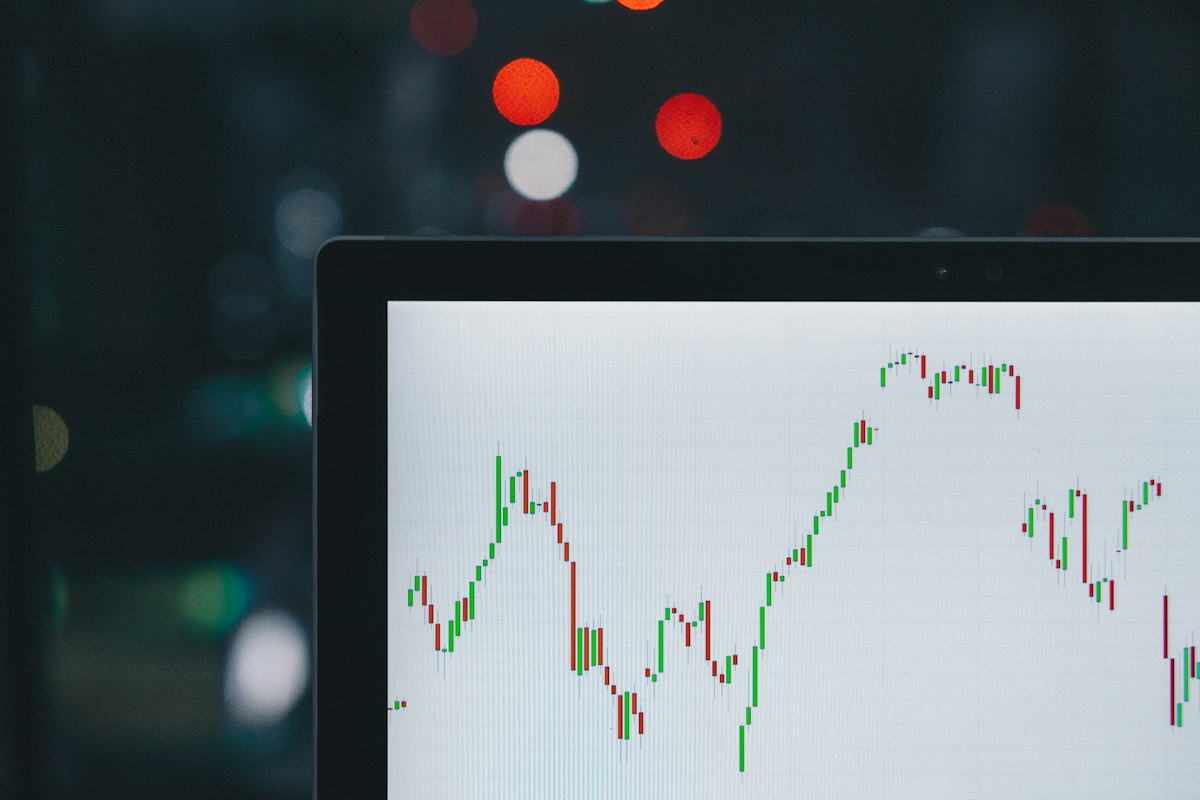
Key takeaway Effective crypto market analysis in September 2026 involves a multi-faceted approach, integrating deep dives into on-chain data, careful consideration of global macroeconomic trends, and astute interpretation of market sentiment, rather than solely relying on price charts or news headlines, to identify potential opportunities and risks.
Today, September 2nd, 2026, the cryptocurrency market continues its evolution, presenting both seasoned traders and newcomers with a complex, yet potentially rewarding, landscape. While daily price movements often dominate headlines, a deeper understanding requires moving beyond superficial charts and news feeds. This article outlines a comprehensive framework for crypto market analysis, integrating elements vital for navigating current conditions and anticipating future shifts.
Why is a multi-faceted approach to crypto analysis crucial in 2026?
The crypto market has matured significantly, moving past its nascent stages where technical analysis (TA) alone or single news events could dictate price action. In 2026, the interplay of various sophisticated factors makes a multi-faceted approach indispensable. Relying on just one analytical lens, such as pure technical indicators or isolated fundamental news, risks missing critical underlying signals. For instance, a positive technical setup might be swiftly invalidated by an unexpected regulatory announcement or a significant shift in on-chain activity. A holistic view helps traders contextualize information, identify stronger signals, and manage risk more effectively.
How do on-chain metrics enhance market understanding?
On-chain metrics provide unparalleled transparency into the fundamental health and activity of a blockchain network, offering insights that traditional financial markets lack. These metrics, derived directly from public ledger data, reveal what participants are actually doing, not just what they're saying or speculating. In 2026, advanced on-chain analytics tools allow for granular examination of network behavior.
Key on-chain metrics to monitor:
- Active Addresses: A rising number of unique active addresses can signal growing network adoption and utility. Conversely, a decline might suggest reduced interest or activity.
- Transaction Volume (Adjusted): Measures the true economic value being transacted on the network, excluding change outputs. Sustained high volume often indicates robust demand and usage.
- Exchange Inflows/Outflows: Tracking the movement of coins to and from centralized exchanges can reveal market participants' intentions. High inflows might suggest selling pressure, while outflows often indicate accumulation or holding.
- Miner Activity: For Proof-of-Work chains, miner revenue, hash rate, and miner selling patterns can offer insights into their production costs and potential supply dynamics.
- Holder Distribution (Whales vs. Retail): Analyzing the concentration of tokens among different wallet sizes can reveal if large entities (whales) are accumulating or distributing, which historically can influence market trends.
- Stablecoin Supply & Velocity: The growth and movement of stablecoins on exchanges can act as a proxy for 'dry powder' ready to enter or exit the crypto market.
By combining these metrics, analysts can build a more accurate picture of a cryptocurrency's true demand, supply dynamics, and network health, which often precedes price movements.
What role do macroeconomic factors play in the crypto market today?
Once viewed as an uncorrelated asset class, cryptocurrencies in 2026 are increasingly intertwined with global macroeconomic trends. Institutional adoption and broader integration into the financial system have heightened this correlation. Factors that influence traditional markets now frequently ripple through crypto.
Important macroeconomic considerations:
- Interest Rates and Monetary Policy: Central bank decisions on interest rates significantly impact risk appetite. Higher rates often make riskier assets, like crypto, less attractive compared to safer, yield-bearing investments.
- Inflation Data: Persistent inflation can either drive investors to seek inflation hedges (sometimes including Bitcoin) or compel central banks to tighten monetary policy, potentially negatively impacting crypto.
- Global Economic Growth/Recession Fears: Periods of economic uncertainty or recession often lead to deleveraging across all asset classes, including crypto, as investors move to safety.
- Geopolitical Events: Conflicts, trade wars, and political instability can create volatility and shifts in capital flows, impacting perceived safe-haven assets and risk assets differently.
- Regulatory Developments: Government stances on crypto (taxation, licensing, bans) can have profound, immediate impacts on market sentiment and institutional participation.
Understanding the broader economic narrative helps contextualize crypto market movements and anticipate potential headwinds or tailwinds.
How can sentiment analysis provide an edge?
Market sentiment, the overall mood or attitude of investors towards a particular asset, is a powerful, albeit often subjective, force in the highly speculative crypto market. While difficult to quantify precisely, tracking sentiment can offer valuable clues about potential turning points or market extremes.
Methods for gauging crypto sentiment:
- Social Media Analysis: Monitoring platforms like X (formerly Twitter), Reddit, and Telegram for trending topics, mentions, and the tone of discussions around specific assets or the market as a whole. Tools leveraging natural language processing can help quantify this.
- News Sentiment: Analyzing the tone and frequency of news articles, especially from reputable financial and crypto media outlets. A sudden surge in overwhelmingly positive or negative news can indicate a shift.
- Funding Rates (Perpetual Futures): For derivatives markets, positive funding rates indicate more longs paying shorts, suggesting bullish sentiment, while negative rates suggest bearishness.
- Fear & Greed Index: While often basic, aggregated sentiment indices can provide a quick snapshot of general market psychology, indicating whether the market is overly fearful (potential buying opportunity) or overly greedy (potential correction).
- Analyst Reports and Surveys: While not always real-time, aggregated opinions from industry experts and investor surveys can offer insights into longer-term sentiment trends.
Extreme sentiment, whether overly bullish or bearish, historically precedes reversals. When everyone is euphoric, a top might be near; when everyone is despairing, a bottom could be forming.
What is the combined power of these analytical approaches?
The true strength of comprehensive crypto market analysis lies in synthesizing these distinct analytical frameworks. No single indicator or data point tells the whole story. For example, technical indicators might suggest an upward trend, but if on-chain data shows large exchange inflows and sentiment analysis reveals widespread euphoria, it might signal an impending correction rather than continued ascent. Conversely, strong network activity (on-chain) during a period of market fear (sentiment) and global economic uncertainty (macro) could indicate a resilient asset poised for recovery.
Successful traders often build a dashboard that incorporates elements from each category, allowing them to cross-reference signals and develop a more robust thesis. This integrated approach fosters a deeper understanding of market dynamics, enabling more informed decision-making and better risk management in the volatile world of cryptocurrencies.
*Risk Warning: Cryptocurrency trading involves substantial risk and is not suitable for all investors. Prices can fluctuate wildly.*
Frequently asked questions
What are on-chain metrics in crypto analysis?
On-chain metrics are data points derived directly from a cryptocurrency's public blockchain ledger. They provide transparent insights into network activity, user behavior, and asset distribution, helping analysts understand the fundamental health and true usage of a cryptocurrency beyond just its price movements.
How do macroeconomic factors influence cryptocurrency prices?
Macroeconomic factors, such as interest rates, inflation, and global economic growth, influence investor risk appetite. High interest rates might make crypto less attractive, while inflation can sometimes drive demand for perceived hedges. Global stability and regulatory clarity also significantly impact institutional and retail investment flows into crypto.
What is sentiment analysis in the context of crypto?
Sentiment analysis in crypto involves gauging the overall mood or attitude of market participants towards specific assets or the market as a whole. This is often done by analyzing social media, news headlines, funding rates on derivatives exchanges, and specific sentiment indices to identify periods of extreme fear or greed.
Why should traders use a multi-faceted approach to crypto analysis?
A multi-faceted approach combines on-chain data, macroeconomic analysis, and sentiment indicators to provide a comprehensive market view. This helps traders avoid relying on single, potentially misleading signals, allowing for more robust decision-making, better risk management, and a deeper understanding of the complex forces driving crypto price action.
Are technical analysis (TA) and fundamental analysis (FA) still relevant in 2026?
Yes, TA and FA remain relevant but are often integrated within a broader analytical framework in 2026. TA helps identify price patterns and potential entry/exit points, while traditional FA focuses on project utility and team. However, they are now complemented by on-chain analysis and macroeconomic considerations for a more complete picture.
Ready to put this into practice?
Open a free Finance Tradex account and start trading with AI signals.
Get started