
Crypto Market Analysis 2026: Navigating the AI & Regulation Tides
Explore the key factors shaping the crypto market in October 2026, from AI's expanding influence to evolving global regulations and shifting investor sentiment. Understand the dynamics influencing Bitcoin, altcoins, and the broader digital asset landscape.
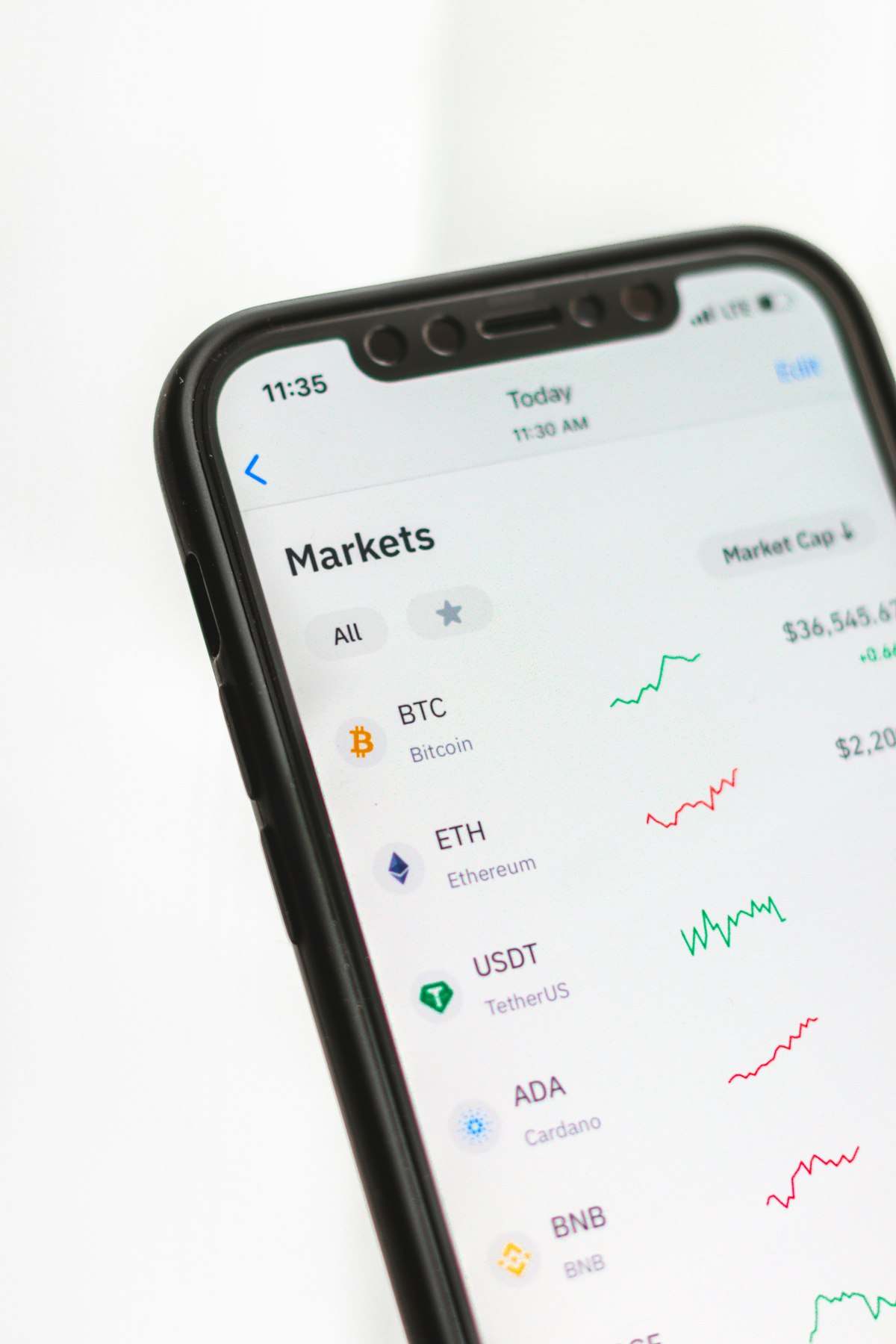
Key takeaway As of October 2026, the crypto market is largely characterized by a dual narrative: the accelerating integration of AI into trading strategies and blockchain development, and the growing influence of formalized global regulatory frameworks. These forces, alongside evolving institutional participation, are shaping asset valuations and investor sentiment.
### What are the dominant themes in the crypto market in late 2026?
As we navigate late 2026, two overarching themes exert significant influence: artificial intelligence integration and maturing regulatory landscapes. AI's role has moved beyond just algorithmic trading to encompass predictive analytics for network health, automated smart contract auditing, and even novel protocol design. This has led to an increased focus on AI-centric tokens and projects, as well as a more data-driven approach to market analysis. Simultaneously, regulatory bodies globally have largely moved past initial exploration, establishing more defined rules for stablecoins, NFTs, and broader digital asset classification. This clarity, while sometimes restrictive, is often viewed as a precursor to broader institutional adoption and mainstream integration.
Beyond these, the long-term impact of Ethereum's scalability improvements, the continued rise of Layer-2 solutions across various blockchains, and the cautious but steady expansion of tokenized real-world assets (RWAs) are also defining characteristics. Geopolitical events continue to play a role, influencing capital flows as digital assets are increasingly viewed by some as an alternative store of value or a hedge against traditional market volatility.
### How is AI impacting crypto market dynamics?
Artificial intelligence is no longer a peripheral technology in the crypto space; it's becoming deeply embedded in its core. For market dynamics, AI's impact is multi-faceted:
- Enhanced Trading Strategies: AI-powered algorithms analyze vast datasets, identifying patterns and executing trades with speeds and accuracies human traders cannot match. This can lead to more efficient markets but also potentially amplify volatility during rapid shifts.
- Sentiment Analysis: AI tools scrupulously monitor social media, news, and on-chain data to gauge market sentiment, providing traders with real-time insights into potential price movements.
- Protocol Optimization: AI assists in optimizing blockchain network performance, predicting congestion, and even securing smart contracts by identifying vulnerabilities, fostering a more robust ecosystem.
- Decentralized Finance (DeFi) Evolution: AI is being used to improve lending protocols, optimize yield farming strategies, and even automate governance proposals, leading to more sophisticated and potentially more resilient DeFi applications.
- New Use Cases: The emergence of AI-driven dApps (decentralized applications) and the increasing demand for decentralized AI compute power are creating entirely new sub-sectors within the crypto market, influencing investment flows towards relevant tokens.
Investors are increasingly evaluating projects not just on their blockchain utility but also on their integration and leverage of AI capabilities.
### What are the implications of evolving global crypto regulations?
Global regulatory frameworks, having evolved significantly by October 2026, carry profound implications for the crypto market. The shift from ambiguity to clarity, though often varied by jurisdiction, fundamentally alters how businesses operate and how investors participate.
- Increased Institutional Participation: Regulatory certainty often lowers perceived risk, encouraging more traditional financial institutions, asset managers, and corporations to enter the crypto space, bringing significant capital and expertise.
- Product Standardization: Clear rules for asset classification (e.g., security vs. commodity vs. currency) and stablecoin reserves lead to more standardized and regulated crypto products, such as spot Bitcoin ETFs, and potentially altcoin-based investment vehicles.
- Compliance Costs: For crypto businesses, compliance with Anti-Money Laundering (AML), Know Your Customer (KYC), and financial reporting regulations has become a major operational overhead. This can favor larger, well-funded entities and potentially stifle smaller innovators.
- Market Segmentation: Jurisdictions with more favorable or clearer regulations may attract more innovation and investment, leading to a geographical segmentation of the crypto industry.
- Investor Protection: Enhanced regulations aim to protect retail investors from scams, fraud, and irresponsible practices, theoretically building trust and expanding market participation. However, overly restrictive rules could also limit access to certain innovative products.
These evolving regulations are slowly bridging the gap between traditional finance and the decentralized digital asset world, albeit with ongoing friction and adaptation.
### How is investor sentiment shifting in 2026?
Investor sentiment in October 2026 appears to be maturing beyond the purely speculative fervor of earlier cycles. While price action remains a significant driver, there's a growing emphasis on fundamental utility, technological innovation, and regulatory compliance.
- Focus on Utility: Investors are increasingly scrutinizing whitepapers and roadmaps for tangible use cases, revenue models, and real-world adoption, moving past projects fueled solely by hype.
- Risk Aversion: While the appetite for high-risk, high-reward plays persists, many investors are displaying greater risk aversion, favoring established projects with strong development teams, robust ecosystems, and a clear path to regulatory compliance.
- Long-Term Holdings: The 'HODL' mentality has evolved; while still present, it's now often coupled with a deeper understanding of macro trends and specific project developments, encouraging a more strategic long-term hold rather than just blind conviction.
- Institutional Influence: The growing presence of institutional money means that market movements are increasingly influenced by large-scale capital allocations, quantitative trading strategies, and economic indicators typically followed by traditional finance.
- Education and Information: A more educated investor base, with access to sophisticated analytics and insights, contributes to more informed decisions, potentially leading to less panic selling during dips and more measured responses to FUD (Fear, Uncertainty, Doubt).
This shift suggests a market gradually moving towards greater sophistication, reflecting a broader acceptance of digital assets as a legitimate, albeit volatile, asset class.
Trading digital assets involves substantial risk and may result in the loss of principal.
Frequently asked questions
What role do NFTs play in the 2026 crypto market?
NFTs have diversified beyond just digital art, seeing significant adoption in gaming, digital identity, tokenized real-world assets (RWAs), and intellectual property management. While speculative interest has cooled from peak levels, their utility-driven applications are gaining traction, supported by more robust platforms and clearer legal frameworks for ownership and licensing. Regulatory bodies are also providing more guidance on their classification.
Are stablecoins under increased scrutiny in 2026?
Yes, stablecoins are under significant and increased scrutiny in 2026. Regulators globally have largely established frameworks requiring verifiable reserves, regular audits, and robust risk management. This has led to a consolidation in the stablecoin market, with compliant, transparent, and well-backed stablecoins dominating, while less regulated or algorithmic stablecoins face tighter restrictions or have faded. They remain crucial for market liquidity.
How is institutional adoption of crypto progressing in late 2026?
Institutional adoption is steadily progressing in late 2026, largely driven by regulatory clarity and improved infrastructure. Traditional finance players are offering more crypto-based investment products, including spot ETFs in various regions and tokenized securities. Custody solutions have matured, and major financial institutions are actively exploring blockchain for settlement and asset tokenization, albeit with continued emphasis on compliance and risk management.
What new technologies are influencing crypto trends in 2026?
Beyond AI, key technologies influencing crypto trends in 2026 include advancements in ZK-Rollups and other zero-knowledge proofs for enhanced scalability and privacy, further development in cross-chain interoperability solutions, and the initial integration of quantum-resistant cryptography in select protocols. The rise of decentralized physical infrastructure networks (DePINs) is also creating new paradigms for incentivizing real-world resource contribution using blockchain.
Ready to put this into practice?
Open a free Finance Tradex account and start trading with AI signals.
Get started

