
Bitcoin's Q4 2026 Outlook: Halving Hype vs. Macro Reality
Explore Bitcoin's price outlook for Q4 2026, analyzing the post-halving cycle, institutional adoption, and evolving macroeconomic factors. Understand key drivers and potential challenges.
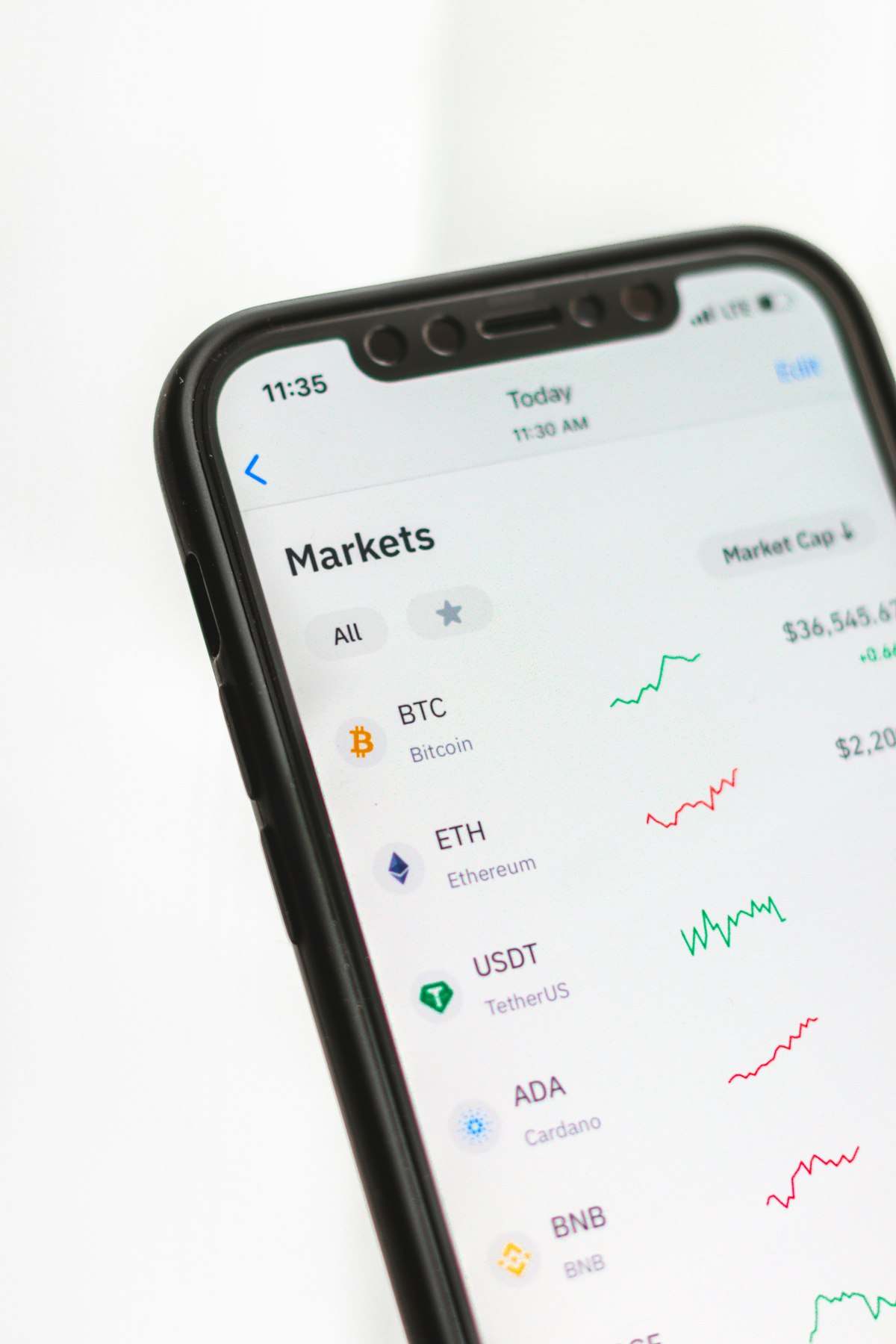
Key takeaway Bitcoin's Q4 2026 price outlook is shaped by the lingering effects of the April 2024 halving, increasing institutional integration via spot ETFs, and evolving global macroeconomic conditions. While historical cycles suggest potential upside, persistent inflation concerns and regulatory clarity will heavily influence its trajectory.
What factors are currently influencing Bitcoin's price in Q4 2026? As we navigate the final quarter of 2026, Bitcoin's price is a confluence of several powerful forces. Foremost among these is the post-halving cycle dynamics. The April 2024 halving event, which reduced the supply of new Bitcoin entering the market, historically acts as a significant long-term bullish catalyst. While the immediate effects are often priced in or lead to consolidation, the subsequent 12-18 months typically witness sustained upward momentum as supply scarcity meets growing demand. We are currently well within this historical window, and many analysts look to past cycles for indicators of future performance. However, it's crucial to remember that past performance is not indicative of future results, and each cycle has its unique characteristics.
Another critical driver is the continued expansion of institutional adoption. The approval and subsequent performance of spot Bitcoin ETFs in major markets have fundamentally changed how large capital allocators can access Bitcoin. This has brought in a new wave of demand that was previously constrained by regulatory or logistical hurdles. Pension funds, endowments, and corporate treasuries are now increasingly able to allocate a small percentage of their portfolios to Bitcoin, treating it as a legitimate asset class. The liquidity and regulatory clarity offered by these products reduce barriers to entry for substantial capital.
Finally, the overarching macroeconomic environment remains a significant factor. Global inflation rates, interest rate policies from major central banks (like the Federal Reserve and European Central Bank), and geopolitical stability all play a role. When traditional markets face uncertainty or inflationary pressures, Bitcoin is sometimes viewed as a hedge or 'digital gold,' attracting capital seeking alternative stores of value. Conversely, a strong dollar or aggressive monetary tightening can create headwinds for risk assets, including cryptocurrencies.
How does the post-April 2024 halving cycle typically unfold? The April 2024 Bitcoin halving, the fourth in its history, is a pivotal event that many market participants watch closely. Historically, halvings have preceded significant bull runs. The mechanism is simple: the reward miners receive for validating transactions is cut in half, effectively reducing the rate at which new Bitcoin is created. With a fixed supply cap of 21 million Bitcoin, this scarcity mechanism is central to its value proposition. Post-halving periods often see an initial period of consolidation or even a slight downturn as the market digests the news and miners adjust. However, over the subsequent 12-18 months, the reduced supply, combined with steady or increasing demand, tends to push prices higher. The 2012, 2016, and 2020 halvings all followed this general pattern, albeit with varying magnitudes and timelines.
In Q4 2026, we are approximately 2.5 years post-halving. If historical trends hold, this period could potentially see Bitcoin establishing new price discovery phases, or at least maintaining higher levels than pre-halving. However, it's essential to consider that the market is far more mature and interconnected now than in previous cycles, with greater institutional involvement and broader macroeconomic influences. This maturity could lead to different dynamics compared to earlier, more retail-driven cycles.
What role do institutional investors and ETFs play in the current market? Institutional investors have transformed the Bitcoin market, moving it from a niche asset to a recognized component of diversified portfolios. The introduction of spot Bitcoin Exchange-Traded Funds (ETFs) in key jurisdictions, particularly in early 2024, has been a game-changer. These ETFs provide regulated, accessible, and liquid avenues for institutions to gain exposure to Bitcoin without directly holding the asset or dealing with its complexities (like custody and security).
The impact is multifaceted: ETFs provide a wrapper that meets the compliance requirements of many institutional mandates. They enable traditional financial advisors to recommend Bitcoin exposure to their clients more easily. This sustained influx of institutional capital provides a strong demand floor and often contributes to higher trading volumes and deeper market liquidity. Furthermore, the validation implicit in these regulated products helps shift public perception, portraying Bitcoin as a legitimate and investable asset class rather than just a speculative novelty. This institutional embrace is a significant tailwind for Bitcoin's long-term price trajectory, creating a more stable and potentially less volatile market structure over time.
What macroeconomic headwinds or tailwinds should traders consider? The macroeconomic landscape is a constant companion to Bitcoin's price movements. In Q4 2026, traders are likely weighing several key factors. On the tailwind side, persistent inflationary pressures in major economies could continue to drive interest in Bitcoin as an inflation hedge. If fiat currencies show signs of weakening purchasing power, assets with scarce supply, like Bitcoin, often gain appeal. Furthermore, any signs of easing monetary policy from central banks, such as interest rate cuts or quantitative easing, could be bullish for risk assets, including cryptocurrencies, as capital seeks higher returns.
Conversely, significant headwinds could emerge. A resurgence of high inflation forcing central banks to maintain or even increase high interest rates could exert downward pressure on all risk assets, making borrowing more expensive and reducing investment appetite. Geopolitical instability, while sometimes acting as a flight-to-safety catalyst for Bitcoin, can also trigger broad market sell-offs if the uncertainty is severe enough. Regulatory uncertainty in new jurisdictions or unexpected policy shifts could also create FUD (Fear, Uncertainty, Doubt) and impact investor confidence. Monitoring global economic reports, central bank pronouncements, and geopolitical developments is crucial for understanding Bitcoin's potential responses. The interplay between these global forces and Bitcoin's unique market dynamics defines its complex price outlook.
Cryptocurrency trading involves substantial risk of loss and is not suitable for every investor.
Ready to put this into practice?
Open a free Finance Tradex account and start trading with AI signals.
Get started

