
Bitcoin Price Outlook: Navigating Key Indicators in Late 2026
Explore the current Bitcoin price outlook as of late 2026, focusing on macroeconomic factors, halving cycle influence, and technological advancements impacting its valuation.
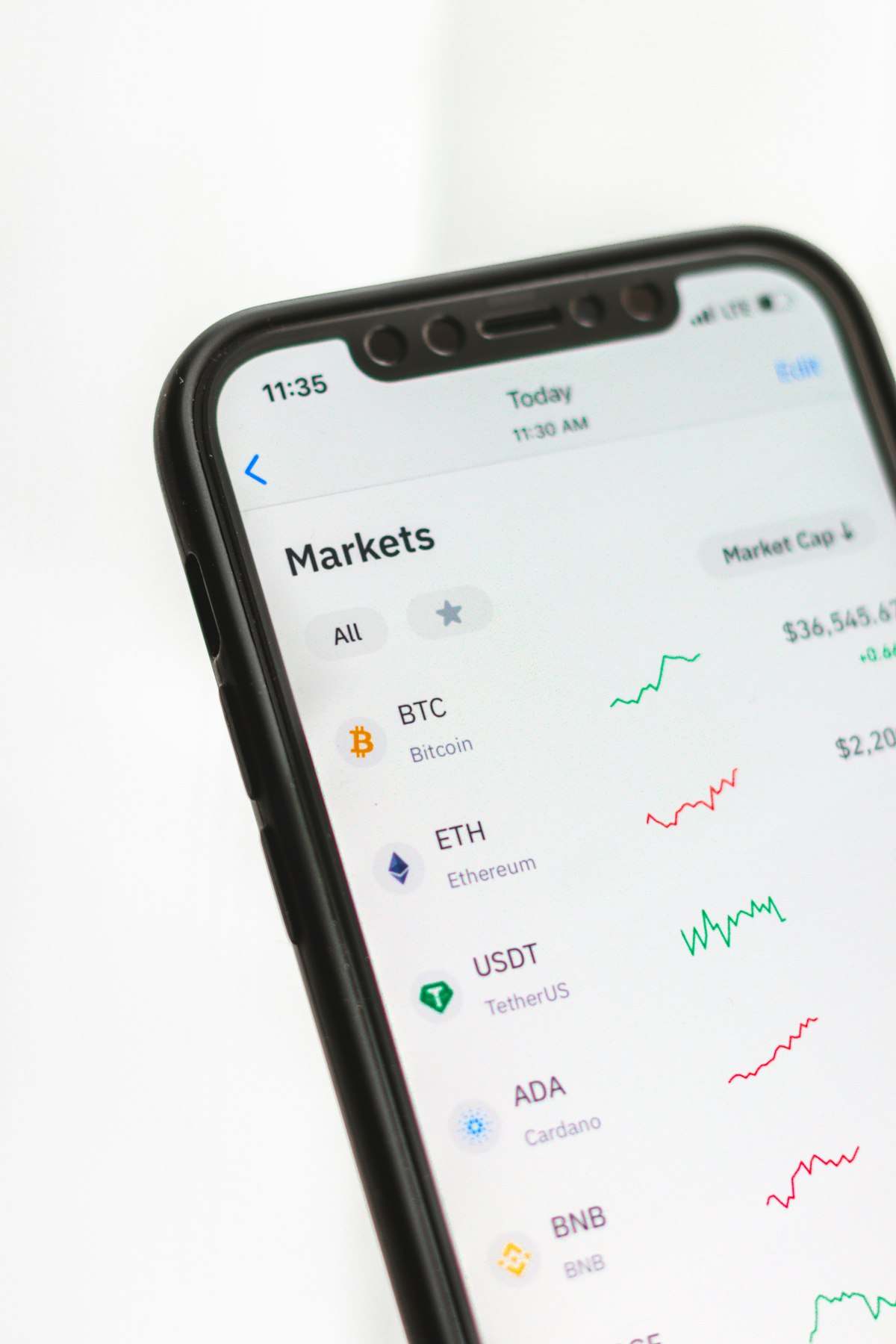
Key takeaway As of late 2026, Bitcoin's price outlook is shaped by a confluence of post-halving cycle dynamics, evolving global macroeconomic conditions, and continued institutional integration. While specific price targets are speculative, analysis often centers on these intertwined forces determining its short to medium-term trajectory and long-term potential.
What factors are currently influencing Bitcoin's price?
Bitcoin's valuation is a complex interplay of various forces, particularly in late 2026. A primary driver continues to be global macroeconomic sentiment. Factors such as inflation rates, central bank monetary policies (interest rate adjustments, quantitative easing/tightening), and overall investor risk appetite significantly impact how capital flows into or out of risk assets like cryptocurrencies. A period of economic uncertainty or tighter monetary policy generally presents headwinds, while a more accommodative environment can provide tailwinds.
Technological developments within the Bitcoin ecosystem also play a crucial role. Ongoing advancements in scalability solutions, privacy enhancements, and broader adoption of Bitcoin-related technologies (such as the Lightning Network for faster, cheaper transactions) can bolster its utility and, by extension, its perceived value. Furthermore, the regulatory landscape globally continues to evolve. Clearer, more favorable regulations in major economies can attract more institutional and retail investment, providing a strong foundation for price stability and growth. Conversely, restrictive or uncertain regulatory environments can introduce volatility.
How does the halving cycle impact the current outlook?
Bitcoin's halving event, which reduces the supply of new Bitcoin entering circulation, typically occurs approximately every four years. The most recent halving occurred in early 2024. Historically, halving events have preceded significant bull runs, as the reduced supply combined with sustained or increasing demand creates upward price pressure. In late 2026, the market is well into the post-halving cycle. Traders and analysts often observe a period of accumulation and subsequent price discovery in the 12-24 months following a halving.
By this point, the market has had ample time to digest the supply shock. The impact is not instantaneous but rather a gradual recalibration of supply-demand dynamics. The effectiveness of this cycle, however, is increasingly intertwined with the aforementioned macroeconomic factors and institutional adoption. While historical patterns suggest continued upward momentum after the halving, the magnitude and duration of this momentum are always subject to prevailing market conditions. The unique aspects of the 2024 halving cycle, including increased institutional involvement and broader market maturity, might lead to different manifestations compared to previous cycles.
Is institutional adoption still a significant driver?
Absolutely. Institutional adoption remains a pivotal catalyst for Bitcoin's price in late 2026. The increasing availability of regulated investment products, such as spot Bitcoin ETFs in various jurisdictions, has opened doors for traditional finance investors to gain exposure to Bitcoin without directly holding the asset. This influx of institutional capital provides deeper liquidity, reduces volatility in the long run, and lends legitimacy to Bitcoin as an asset class.
Beyond investment products, corporations continue to explore integrating blockchain technology and, specifically, Bitcoin, into their treasury management or operational strategies. Major payment processors, tech companies, and even sovereign wealth funds assessing Bitcoin as a store of value contribute to its demand. The growing participation of these large entities signifies a maturation of the market and a shift in perception from a niche speculative asset to a recognized component of a diversified portfolio. This trend is expected to continue strengthening, acting as a structural support for Bitcoin's valuation over time.
What technical indicators are traders watching now?
In late 2026, traders are closely monitoring several technical indicators to gauge Bitcoin's immediate price action and potential trends. Moving Averages (MAs), particularly the 50-day, 100-day, and 200-day Simple Moving Averages (SMAs) or Exponential Moving Averages (EMAs), are crucial for identifying short-term and long-term trends, as well as potential support and resistance levels. A sustained move above or below these key MAs often signals a shift in market sentiment.
Volume analysis is also paramount. A price movement on high volume typically suggests conviction, while low volume moves can be less reliable. Relative Strength Index (RSI) helps identify overbought or oversold conditions, potentially signaling a reversal point. Similarly, the Moving Average Convergence Divergence (MACD) indicator is used to identify trend strength, direction, and momentum. Furthermore, chart patterns such as continuation patterns (e.g., flags, pennants) and reversal patterns (e.g., head and shoulders, double tops/bottoms) are diligently watched for clues about future price trajectory. Traders often combine these indicators to form a comprehensive view, recognizing that no single indicator provides a definitive answer.
What are the potential risks to Bitcoin's price outlook?
Despite the optimistic outlook shared by many, several risks could pose challenges to Bitcoin's price trajectory in late 2026. Regulatory uncertainty remains a persistent concern. Governments globally might introduce stricter regulations on cryptocurrencies, potentially impacting market access, liquidity, or specific use cases. Such actions could trigger selling pressure and dampen investor enthusiasm.
Another significant risk comes from potential macroeconomic downturns. A severe global recession, unforeseen geopolitical conflicts, or a significant financial crisis could lead investors to de-risk and flee from volatile assets, including Bitcoin. Competition from other cryptocurrencies or advancements in traditional financial systems also presents a threat, though Bitcoin's established network effect and brand recognition provide a strong moat. Security vulnerabilities or significant network outages, though rare, could also erode trust and impact price. Investors always consider these broader market and ecosystem risks when evaluating Bitcoin's potential.
Cryptocurrency trading involves substantial risk of loss and is not suitable for every investor.
Frequently asked questions
What is the primary influence on Bitcoin's price in late 2026?
In late 2026, Bitcoin's price is primarily influenced by a combination of global macroeconomic conditions, particularly inflation and interest rates, alongside the ongoing effects of its 2024 halving event. Additionally, continued institutional adoption and the evolving regulatory landscape significantly shape investor sentiment and capital flows into the asset class.
How does the 2024 Bitcoin halving affect its price now?
The 2024 halving, which reduced the supply of new Bitcoin, continues to exert influence in late 2026. Historically, post-halving periods have seen significant price appreciation due to supply shock. While its immediate impact has passed, the market is still navigating the long-term supply-demand dynamics created by this event, often factoring into long-term price models.
Are technical indicators still relevant for Bitcoin in late 2026?
Yes, technical indicators remain highly relevant for Bitcoin traders in late 2026. Key indicators like Moving Averages, RSI, MACD, and volume analysis are consistently used to identify trends, support/resistance levels, and potential price reversals. These tools help traders interpret market sentiment and make informed decisions, despite the market's increasing maturity.
What risks could impact Bitcoin's price negatively?
Potential risks to Bitcoin's price outlook include tightening global cryptocurrency regulations, severe macroeconomic downturns leading to reduced risk appetite, and significant security breaches or technological setbacks. Competition from other digital assets and unforeseen geopolitical events could also introduce volatility and downward pressure on its valuation.
Ready to put this into practice?
Open a free Finance Tradex account and start trading with AI signals.
Get started

