
AI Trading Signals: Smart Moves in a Shifting Market (2026)
Explore how AI trading signals are evolving to offer enhanced analytical depth and adaptability for crypto, forex, and stock traders in 2026, and learn how to integrate them effectively.
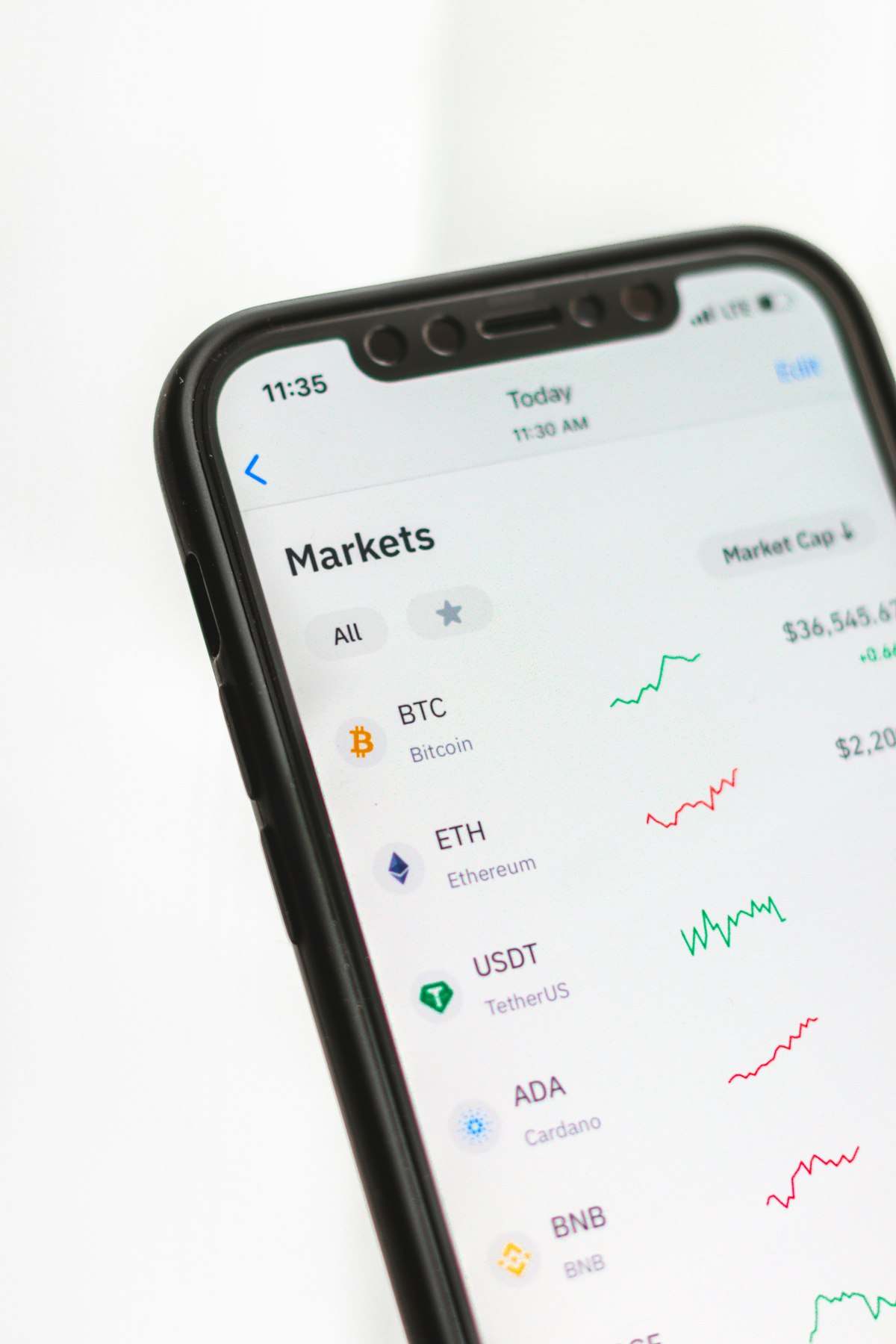
Key takeaway AI trading signals in 2026 leverage advanced machine learning models to identify high-probability trading opportunities across diverse markets by analyzing vast datasets. They offer traders enhanced analytical depth and adaptability, helping to refine entry/exit points and manage risk more effectively than traditional indicators alone.
What are AI trading signals?
AI trading signals are actionable insights or recommendations generated by artificial intelligence algorithms. Unlike simple technical indicators, these signals are the output of complex machine learning models that process immense quantities of data – including price action, trading volume, news sentiment, economic indicators, and even social media trends. By identifying patterns and correlations that are often invisible to the human eye, AI algorithms can forecast potential market movements and suggest specific trades, such as 'buy EUR/USD at X price' or 'sell BTC if it breaks Y support level'. In 2026, these systems are becoming increasingly sophisticated, incorporating deep learning and natural language processing (NLP) to analyze unstructured data like geopolitical news feeds with greater precision.
How has AI evolved in trading by 2026?
The evolution of AI in trading has been rapid and transformative. A few years ago, AI primarily focused on basic pattern recognition and trend analysis. By 2026, the landscape is significantly more advanced. We're seeing AI systems that employ reinforcement learning to continuously adapt their strategies based on market feedback, much like a human trader learns from experience. Furthermore, the integration of quantum computing principles, albeit in early stages, is beginning to enhance processing capabilities for some high-frequency trading firms. Predictive analytics now include multi-asset class correlations, global macro factor analysis, and hyper-personalized risk assessments for individual traders. This means AI isn't just telling you what to trade, but also considering *your* specific risk tolerance and portfolio composition when generating signals.
What advantages do AI signals offer over traditional methods?
AI trading signals provide several distinct advantages over traditional, manually-driven analysis or simpler algorithmic approaches. Firstly, their processing power is unmatched; they can analyze millions of data points across countless assets in fractions of a second, far exceeding human capacity. This enables them to spot fleeting opportunities or subtle shifts in market sentiment that human traders might miss. Secondly, AI is emotionless, removing the psychological biases that often lead to poor trading decisions, such as fear of missing out (FOMO) or panic selling. Thirdly, the adaptability of modern AI models means they can adjust to new market conditions faster than rigid, pre-programmed strategies, making them particularly useful in today's volatile crypto and forex markets. Lastly, their ability to backtest strategies against decades of historical data provides a robust statistical edge, validating potential profitability with a higher degree of confidence.
How do AI signals integrate with different asset classes?
AI trading signals are highly versatile and integrate effectively across various asset classes, though their application varies slightly. In **forex**, AI models are adept at analyzing macroeconomic data, interest rate differentials, political developments, and interbank liquidity to predict currency pair movements. For **stocks**, AI delves into company fundamentals, earnings reports, analyst ratings, news sentiment, and industry-specific trends to identify undervalued or overvalued equities. In the **crypto market**, AI excels at processing blockchain data, on-chain metrics, social media sentiment, developer activity, and exchange order book dynamics to predict volatile price swings. The underlying principle remains the same – leveraging data to find an edge – but the specific data inputs and model architectures are tailored to the unique characteristics and drivers of each market.
What are the key considerations for using AI trading signals?
While powerful, using AI trading signals effectively requires careful consideration. Firstly, it's crucial to understand that no AI system is foolproof; they provide probabilities, not certainties. Traders should always combine AI signals with their own research and risk management principles. Secondly, the quality of the AI model and its underlying data is paramount. A poorly trained AI or one fed with incomplete data can generate misleading signals. Traders should look for signals from reputable providers whose methodologies are transparent. Thirdly, it's vital to choose signals that align with your trading strategy, time horizon, and risk tolerance. Scalpers will need different signals than long-term investors. Finally, remember that market conditions are constantly evolving. An AI model that performed well in a bullish market might struggle in a bearish or sideways one. Continuous evaluation and adaptation are key to sustained success. Diversification across multiple signals or strategies can also help mitigate reliance on any single output.
Trading carries inherent risks, and past performance is not indicative of future results.
---
Frequently asked questions
Are AI trading signals suitable for beginners?
AI trading signals can be a valuable tool for beginners, offering insights without requiring deep market analysis expertise. However, beginners should still understand basic market principles, risk management, and never blindly follow signals. Start with a demo account to learn how to interpret and act on these signals responsibly, combining them with your own growing knowledge.
How accurate are AI trading signals?
The accuracy of AI trading signals varies significantly based on the model's sophistication, data quality, and market conditions. While advanced AI can achieve high accuracy rates, especially in identifying patterns and trends, no system guarantees 100% precision. Traders often look for signals with a good win rate and favorable risk-to-reward ratios, understanding that losses are an inevitable part of trading.
Do AI signals remove the need for human analysis?
No, AI signals do not completely remove the need for human analysis. While AI can process data and identify opportunities far faster than humans, human oversight is crucial for interpreting signals, adapting to unforeseen 'black swan' events, managing overall portfolio risk, and applying discretionary judgment. AI serves as a powerful assistant, enhancing rather than replacing the trader's role.
Can AI trading signals predict market tops and bottoms?
Advanced AI models can analyze historical data and current market sentiment to identify potential areas where market tops or bottoms might form, offering probabilistic predictions. They look for exhaustion patterns, divergences, and shifts in momentum. However, predicting exact turning points remains one of the most challenging aspects of trading, and even the most sophisticated AI provides estimates, not definitive answers.
Ready to put this into practice?
Open a free Finance Tradex account and start trading with AI signals.
Get started

